

About Lorphadyne
Annual budgeting, taught properly
Most people have a rough sense of how much they earn. Fewer know where it actually goes across 12 months. Lorphadyne was built to close that gap — through structured masterclasses that treat budgeting as a learnable skill, not a personality trait.
Since 2017, the platform has served residents of Dublin and the broader Dublin region, offering programmes aligned with local income patterns, regional tax structures, and city-level financial realities. Courses are led by practitioners — people who work with budgets professionally, not just teach about them.
Structured around the calendar year
Each module maps to a real month — January planning through December review — so participants practice with the same timing pressures they face in real life.
Pacing that fits working schedules
Sessions run at 45–60 minutes. Materials stay available for 90 days after each module closes, so participants can revisit specific techniques without losing context.
Depth over breadth
Rather than covering every financial topic, the programme focuses on annual budgeting specifically — forecasting, variance tracking, and end-of-year reconciliation.
Practitioners as instructors
Instructors hold active roles in finance, accounting, or municipal planning. They bring real case data into sessions — including a breakdown of funding sources for an early-stage startup used in the entrepreneurship track.

What the programme covers — and what it does not
The curriculum is deliberately scoped. It does not teach investment strategy, tax optimisation, or wealth management. Those are separate disciplines that deserve their own depth.
What it does cover: building a 12-month budget from scratch, adjusting it when income changes mid-year, understanding where estimates drift from reality, and closing the year with a clear picture of what actually happened.
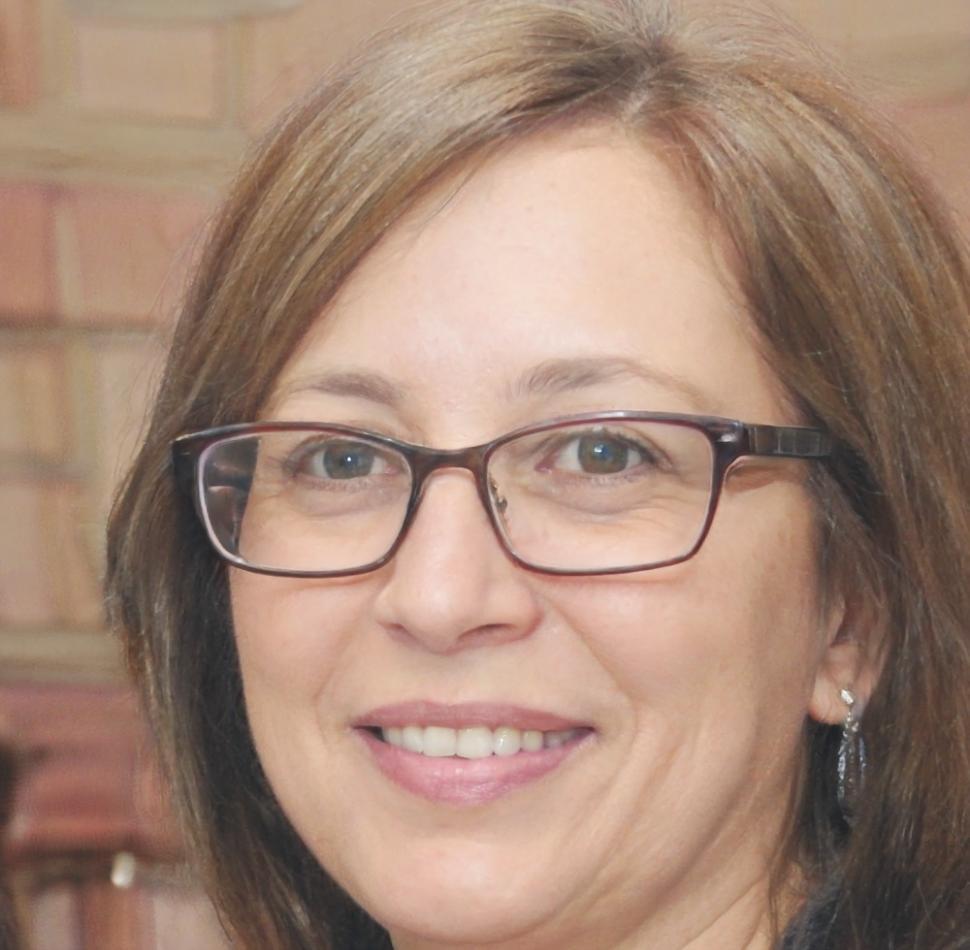
"We built the programme around the questions participants actually ask — not the ones we assumed they would."