
Annual Budgeting in Practice
A structured 8-week program that walks through real budget cycles — from a breakdown of funding sources for an early-stage startup to full-year planning across departments. Designed for finance professionals who need to close the gap between theory and what actually happens in the room.

What you will study
8 modules across a full budget cycle
Each module is built around a concrete scenario rather than abstract principles. You will work through actual budget templates, variance reports, and multi-source funding tables used by finance teams in mid-sized organizations.
The program runs over 8 weeks with 3 live sessions per module, recorded for replay. Participants typically spend 4–6 hours per week on exercises and peer review.
Funding Sources and Capital Structure
A breakdown of funding sources for an early-stage startup through to Series B — equity, debt, grants, and hybrid instruments mapped against budget constraints.
Revenue Forecasting Under Uncertainty
Three forecasting models applied to the same dataset. You will compare outputs and decide which assumptions hold across a 12-month horizon.
Cost Allocation and Department Budgets
How shared costs get divided across 6 departments without creating internal disputes — allocation keys, negotiation tactics, and approval workflows.
Mid-Year Variance and Reforecasting
Reading variance reports when actuals diverge from plan by more than 15% — when to reforecast and how to communicate the change to leadership.
Three practitioners, not academics
Each instructor has held a senior finance role — CFO, FP&A Director, or Head of Controlling — for at least 9 years. They bring real decisions, not case studies written after the fact.
Sessions are deliberately small: no more than 24 participants per cohort so that feedback stays specific and the pace can adjust to where the group actually is.

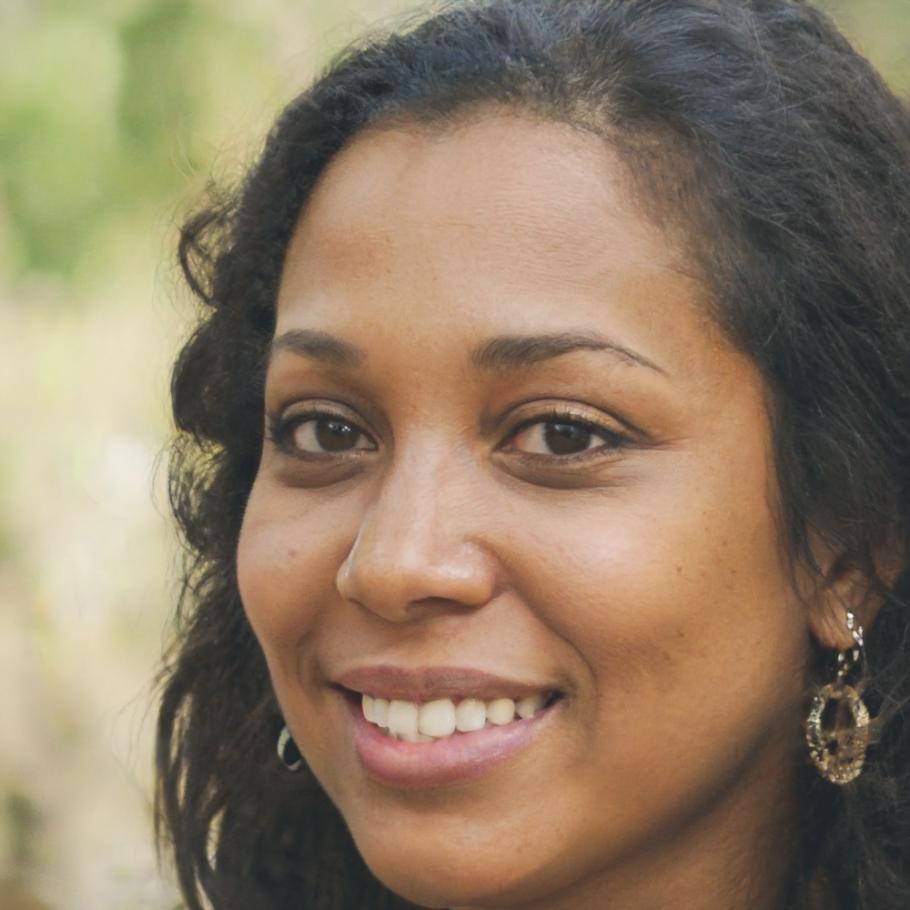
Weronika Dąbek
FP&A Director
Led annual budget cycles for a 1,400-person manufacturing group for 11 years. Specializes in rolling forecasts and capital allocation under constrained conditions.
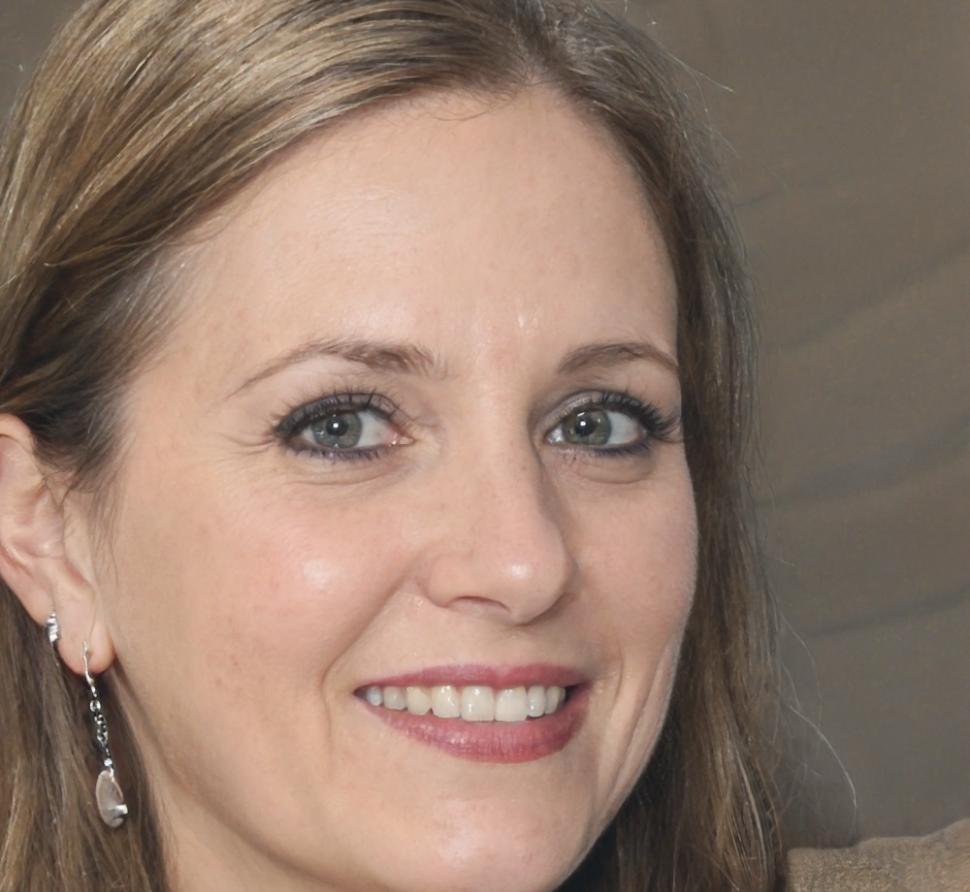
Halina Twardowska
Head of Controlling
Designed the cost allocation framework across 6 business units at a regional logistics firm. Focuses on variance analysis and mid-year reforecasting processes.
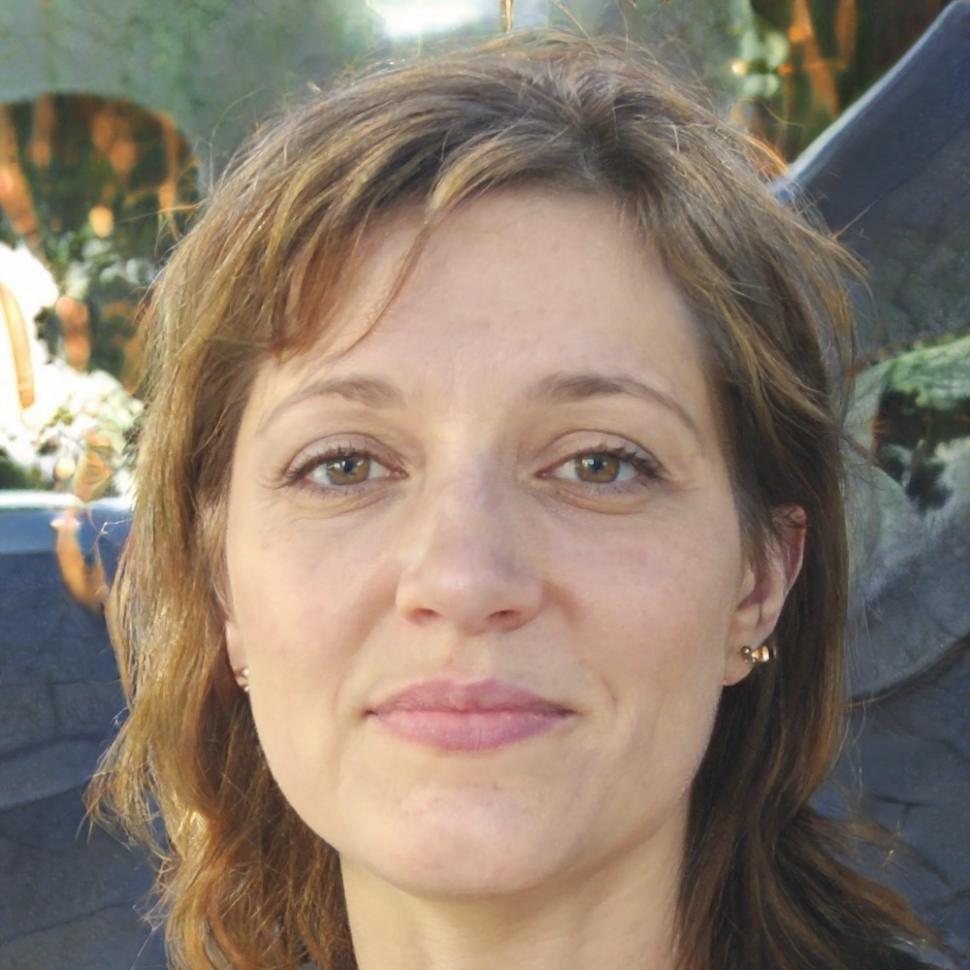
Renata Kwiatkowska
Chief Financial Officer
Oversaw funding rounds and annual budget planning at 3 growth-stage companies. Brings particular depth on funding source analysis and investor-facing budget narratives.
Enrollment details and what is included
Program fee
One-time payment. Access to all recordings for 24 months after the program ends.
The program runs in Irish and targets finance professionals working in organizations with at least 50 employees. It is not an introductory course — participants are expected to have at least 2 years of experience with financial planning before joining.
What you get is structured around the actual work: 24 live sessions, 8 detailed budget templates, access to a private peer group of past participants, and one individual feedback session on your organization's budget structure.
- 24 live sessions with replay access for 24 months
- 8 editable budget templates in Excel and Google Sheets
- 1 individual budget review session with an instructor
- Access to the Lorphadyne alumni network of finance practitioners