
Lorphadyne — Annual Budgeting Masterclass
A budget that holds through the year
Most annual budgets break down within the first quarter — not because the numbers were wrong, but because the thinking behind them was incomplete. This program works backwards from that problem. It starts with what a finished, functional budget actually looks like, then builds the reasoning required to produce one.

What the numbers behind this program actually say

The people you work alongside matter as much as the material
Each cohort brings together between 18 and 24 participants — finance managers, operations leads, and founders who are actively working with real budgets. The conversations that happen inside the program are specific to their situations, not hypothetical.
Participants come from organizations of varying sizes, which means the peer group includes someone who has already solved the problem you are currently dealing with. That context is difficult to replicate in a solo learning environment.
The program has been part of Dublin's regional professional development landscape since 2017, with instructors who have direct experience advising organizations through multi-year budget cycles.
What becomes possible once the program is behind you
A working budget you can defend in a room
The clearest outcome participants describe is being able to present their annual budget to stakeholders without needing to hedge every number. That confidence comes from understanding the structure behind the figures — not just the figures themselves.
This includes being able to produce a clear breakdown of funding sources for an early-stage startup, explain variance between projected and actual spend, and adjust the plan mid-year without rebuilding it from scratch.

Specific accounts from past participants
"I had built budgets for 4 years before this program. What I was missing was a way to explain the assumptions behind each line. By week 3, I had a framework I could actually use in board meetings."
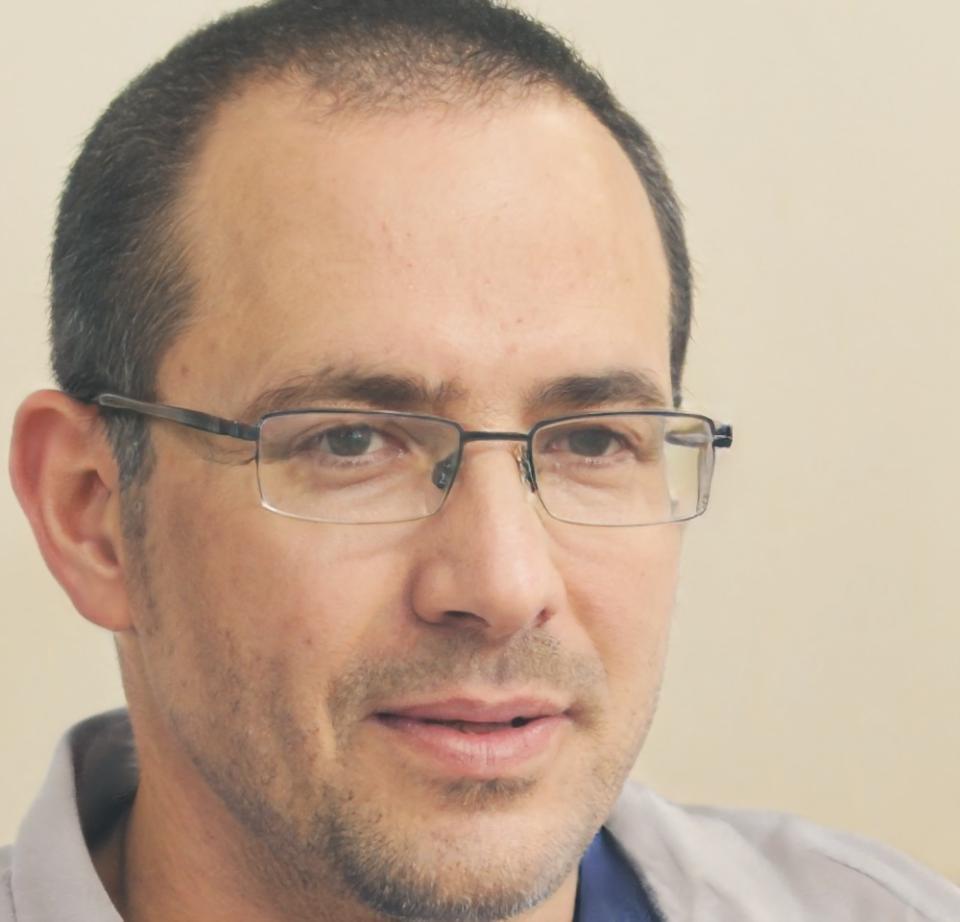
"The section on funding source breakdowns was exactly what I needed. I was preparing documentation for a seed round and could not find a clear structure anywhere. The program gave me one that actually made sense to our investors."
"I came in managing a department budget of around EUR 550,000. The live review sessions were where I got the most value — having an expert look at my actual numbers and point out where my logic had gaps."
What moving through this program actually feels like
The program does not follow a linear lecture format. Each phase builds on the previous one, but the material is designed to be worked with — not just read. Expect to bring your own numbers to the exercises.

Weeks 1–2: Reading what you already have
Before building anything new, participants spend the first two weeks auditing their existing budget documents. The goal is to identify where the structure is sound and where assumptions are hidden. Most people find at least 3 categories where their logic was circular.
Weeks 3–4: Rebuilding the framework
This is the densest part of the program. Participants work through scenario planning, variance modeling, and the structure of a proper funding source breakdown. The exercises use real data formats, not simplified teaching examples.
Week 5: Peer review and live sessions
The third live session happens here. Participants present a section of their revised budget to the group and receive structured feedback. This is where the peer community becomes most valuable — others in the cohort have seen the same problems from different angles.
Week 6: Completing and documenting
The final week focuses on packaging the work — producing documentation that can be handed to a colleague or presented to a board. Participants leave with a complete budget framework and a written methodology they can reuse in future planning cycles.
The value that stays after the cohort closes
Annual budgeting is not a skill you use once. The methodology you build during the program becomes the starting point for every planning cycle that follows. Participants who return for follow-up sessions — typically 8 to 12 months after completing the program — report that the framework held through their first full year of use without significant revision.
The materials remain accessible for 12 months, which means you can return to specific modules during your next planning cycle rather than reconstructing the logic from memory.
For those working in organizations that receive mixed funding — grants, earned income, and investor contributions — the program's treatment of funding source categorization provides a durable structure. A breakdown of funding sources for an early-stage startup requires different logic than a mature organization's budget, and both are covered explicitly.
Questions about the program or enrollment can be directed to [email protected] or by calling +353 1 555 0142.
A reusable planning template
Every participant builds a budget framework specific to their organization during the program. That document becomes the template for subsequent years — not a generic spreadsheet, but one calibrated to their actual context.
Access to the alumni network
Past cohorts include participants from over 30 organizations across the Silesia region. The network is informal but active — several participants have described finding answers to mid-year budget problems through former cohort members.
Continued relevance as your role grows
The program is designed to scale with your responsibilities. Whether you move from managing a departmental budget to an organizational one, or from a single funding stream to a complex multi-source structure, the underlying framework adapts rather than becoming obsolete.